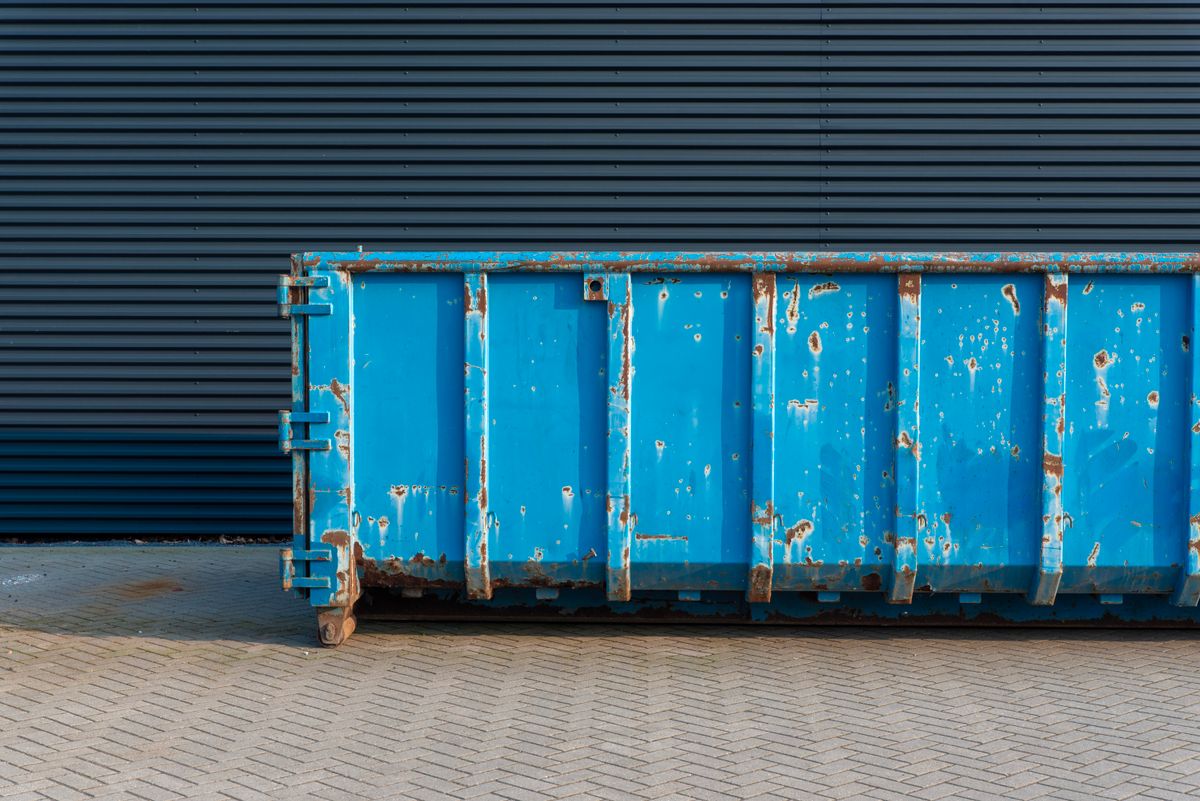
2026 Price Ranges in Northwest Arkansas
- 10–15 yard: $300–$450 for a 7–10 day rental — cleanouts, small remodels
- 20 yard: $375–$525 — the workhorse size for whole-home projects and roofing
- 30 yard: $425–$550 — major renovations, estate cleanouts
- 40 yard: $525–$700 — construction and commercial
- Heavy debris (concrete/dirt/shingles) 10-yard: priced per ton; always order the dedicated container
National-brand marketplaces sometimes quote NWA jobs higher — they broker your rental to a local hauler and keep the spread. Renting from whoever actually owns the can is usually the better price.
The Three Fine-Print Items That Matter
1. Included tonnage. Every rental includes disposal up to a weight limit — commonly 1–3 tons. Overage runs $50–$75/ton. Wet carpet, plaster, and roofing pile on weight fast; a "cheap" quote with a 1-ton allowance is often the most expensive option on the block.
2. Rental period. Standard is 7–10 days. Daily overage fees ($5–$15/day) are fine if you know about them and infuriating if you don't. Projects slip — ask before you book.
3. Prohibited items. Tires, batteries, liquids, paint, and refrigerant appliances trigger per-item fees at the landfill that get passed to you. Ask for the list up front.
Permit or No Permit?
On your own driveway or property: no permit needed. On a public street in Fayetteville or most NWA cities: check with the city first — right-of-way placement usually requires one. The driveway is simpler in every way; use plywood under the rails to protect the surface.
When a Dumpster Beats "Junk Removal" Service
Full-service junk removal charges by volume with labor included — great for a single couch, expensive for a whole garage. If you can load it yourself over a weekend, a rented dumpster typically moves 3–4× the volume per dollar. If you can't or won't load, hire the labor. Honest math beats either sales pitch.
Ranges reflect typical 2026 NWA pricing for planning; exact quotes depend on size, debris type, and location.